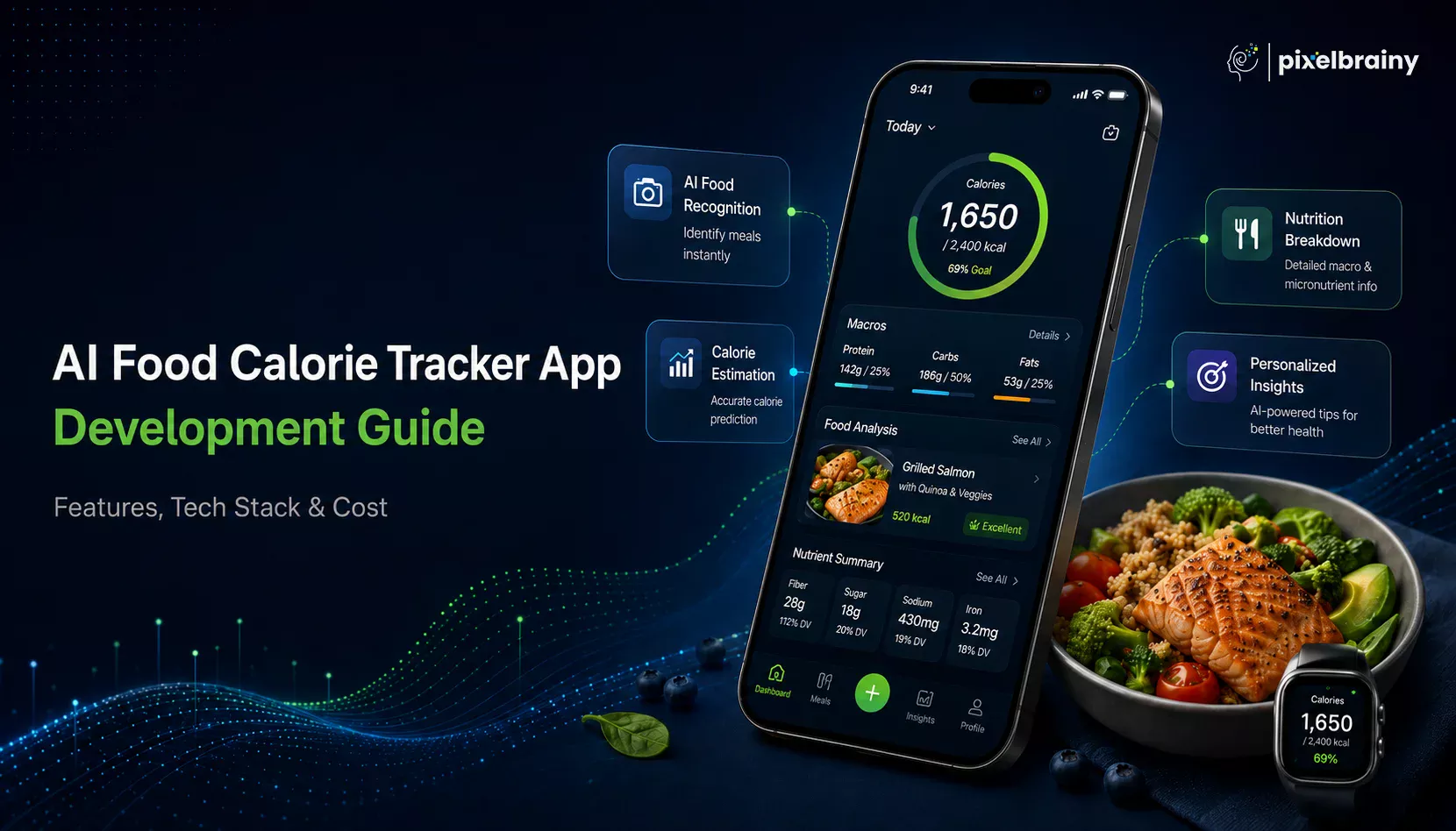
For decades, fitness enthusiasts and athletes relied on traditional calorie-tracking applications to manage their energy intake. While these legacy tools paved the way for digital diet monitoring, they share a major, inherent flaw: heavy reliance on manual entry and static databases. Users are forced to weigh every portion, guess cooking oil volumes, and select generic database items that rarely match real-world recipes.
Enter modern Artificial Intelligence and Machine Learning. By shifting from static lookup tables to dynamic computer vision and natural language processing, AI is fundamentally revolutionizing how we calculate daily energy balances, offering a level of precision that legacy apps simply cannot match.
1. Visual Portion Estimation via Computer Vision
One of the largest margins of error in dietary tracking comes from misjudging portion sizes. Most people underestimate their daily caloric intake by 20% to 40% simply by eye-balling serving sizes. Advanced AI systems utilize computer vision models trained on millions of high-resolution food images.
When you take a photo of your plate, the neural network analyzes the depth, volumetric dimensions, and visual density of each food component. Instead of guessing whether a chicken breast is 150 grams or 220 grams, the AI calculates a high-probability weight estimate, drastically reducing human error.
2. Deconstructing Complex Mixed Recipes
Logging homemade stews, complex salads, or restaurant meals with traditional apps is a user-experience nightmare. Searching for every single ingredient—like olive oil, garlic, sauces, and spices—takes significant time and usually leads to abandon tracking altogether.
AI natural language engines allow users to describe meals conversationally (e.g., "A bowl of brown rice topped with 200g grilled salmon, avocado, and light sesame dressing"). The algorithm automatically parses the sentence, breaks down the macro profile for each micro-ingredient, and logs the total nutrients instantaneously.
3. Dynamic Metabolic Rate Adjustments
Traditional apps estimate your Total Daily Energy Expenditure (TDEE) using generic mathematical formulas like the Harris-Benedict equation. These formulas use static variables (age, height, weight, gender) and assume your body functions like a static machine.
In reality, human metabolism is dynamic. Factors like sleep quality, stress levels, daily non-exercise activity thermogenesis (NEAT), and hormonal fluctuations alter your actual calorie burn daily. Machine learning algorithms continually analyze your weight trend over time relative to your logged intake, adjusting your daily target automatically to prevent weight loss plateaus.
4. Behavioral Pattern Recognition
A major advantage of AI-driven nutrition platforms is predictive behavioral analysis. By reviewing historical logging data, the AI can identify key triggers that lead to dietary lapses—such as late-night snacking or overeating following intense cardio sessions.
Once these patterns are flagged, the system proactively offers personalized meal timing adjustments and macronutrient redistribution earlier in the day to stabilize blood sugar levels and eliminate intense cravings before they start.
Conclusion: Precision nutrition is no longer about tedious manual data entry. By leveraging machine learning models that analyze photos, process natural language, and adapt to individual biofeedback, you can achieve accurate calorie tracking with minimal friction, making your health goals far more sustainable over the long term.



0 تعليقات