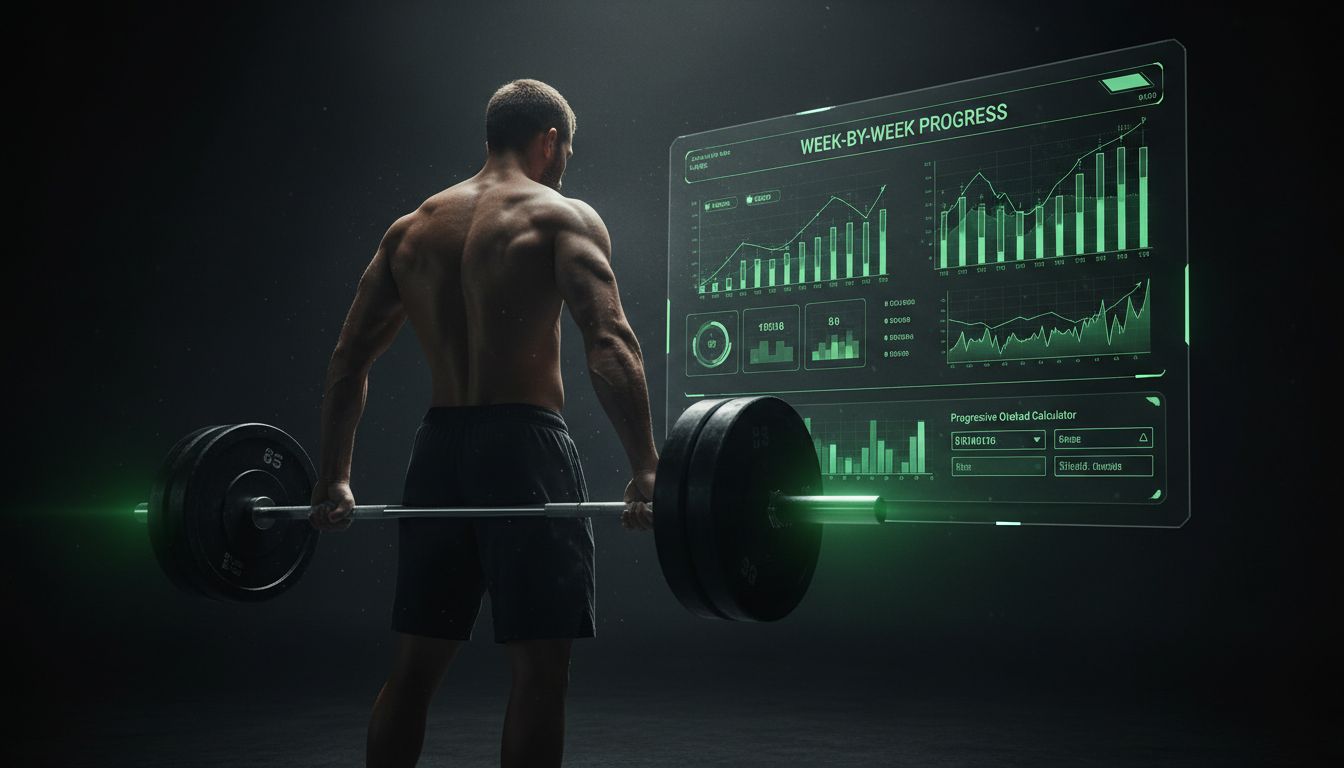
Progressive overload is the fundamental rule of building muscle and gaining strength. To force your muscles to adapt, you must continually increase the stress placed on them over time. However, knowing exactly when to add weight, increase repetitions, or adjust set volumes without causing injury is a delicate balance.
Today, Artificial Intelligence is taking the guesswork out of resistance training. By analyzing real-time performance metrics, AI algorithms can create dynamic progressive overload models tailored strictly to your personal recovery speed.
1. Auto-Regulated Load Selection
Traditional workout programs use static percentage increases (e.g., adding 5 lbs every week). AI-powered training apps dynamically adjust your weights based on daily readiness scores, velocity of movement, and perceived exertion, ensuring every set maximizes hypertrophy without overtraining.
2. Managing Systemic Fatigue and Deloads
Building muscle requires pushing close to muscular failure, but constant high-intensity effort leads to central nervous system fatigue. AI models monitor your weekly strength trends and automatically schedule deload weeks precisely when your neural recovery starts to decline.
3. Optimizing Exercise Selection and Substitution
If a specific exercise causes joint discomfort, standard routines often fall apart. Advanced AI tools analyze biomechanics to recommend biomechanically equivalent exercise swaps that target the exact same muscle group without aggravating existing joint pain.
4. Real-Time Rest Interval Optimization
Rest intervals play a major role in muscle recovery between sets. AI platforms track heart rate variability (HRV) and respiratory recovery during workouts to tell you the exact moment your body is ready to execute the next heavy set with maximum force output.
Conclusion: Hypertrophy doesn't require mindless grinding—it requires precision. By combining the classic principle of progressive overload with modern AI analytics, you can optimize muscle growth, prevent injuries, and unlock consistent long-term gains.



0 تعليقات